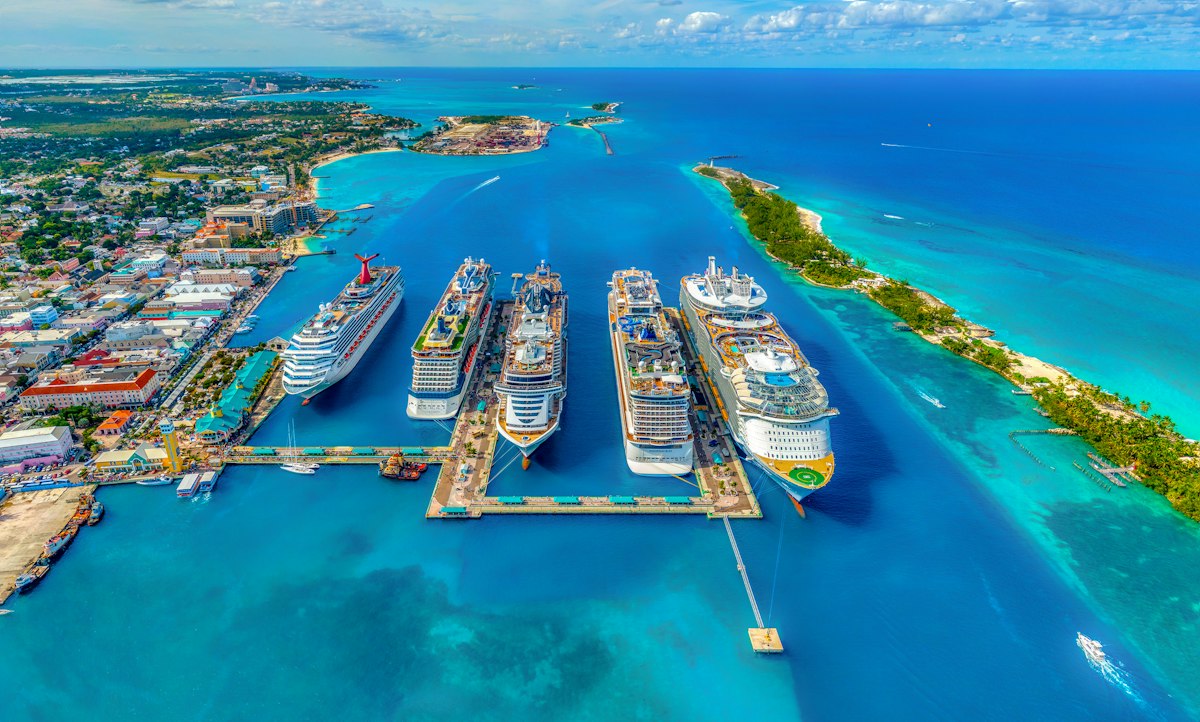
River Cruise vs Ocean Cruise Insurance: What's Different and Why It Matters
Booked a European river cruise instead of an ocean voyage this year? The insurance considerations are meaningfully different — from onboard medical capabilities to itinerary disruption risks unique to river travel. Here's how to approach insurance for each cruise type.
Key Takeaways
- River cruise ships carry 100–190 passengers and have minimal medical facilities — no doctor onboard
- Ocean cruise ships carry 500–5,000+ passengers with a full ship hospital and medical team
- River cruises have lower evacuation costs — rarely more than 30 minutes from a shore hospital
- River cruises have unique disruption risks: flooding, low water levels, and bridge clearance issues
- Both formats require cruise-specific insurance — standard travel insurance has critical gaps for both
- River cruise premiums are typically 15–25% lower than equivalent ocean cruise cover
The Core Differences Between River and Ocean Cruising
River cruises and ocean cruises appeal to similar travellers — those who enjoy immersive, multi-destination itineraries with a moving home base. But beyond the surface similarity, they are fundamentally different products with different operational characteristics, risk profiles, and therefore different insurance needs.
An ocean cruise ship is a floating resort. Royal Caribbean's Icon of the Seas carries 7,600 passengers and crew, has a full hospital with surgeons, emergency procedures, and intensive care capability, and operates in open international waters far from shore. A Viking river ship carries 190 passengers, has a first-aid trained staff member and a basic medical kit, and operates on a European river where the nearest hospital is typically 10–20 minutes away by ambulance.
Neither format is inherently more dangerous from an insurance standpoint — the risks are simply different in kind and magnitude. Ocean cruising carries higher per-incident evacuation costs due to maritime distance; river cruising carries higher frequency of smaller disruption events due to weather and operational constraints. Understanding this distinction shapes which insurance benefits matter most for each format.
Medical Cover: What Differs?
For ocean cruises, onboard medical treatment is a significant component of the insurance calculation. Ship hospitals on large ocean vessels can provide meaningful treatment — stabilisation, minor procedures, IV medication, monitoring — before evacuation if needed. These services are charged at private rates and can cost $2,000–$10,000 before any evacuation is involved. Unlimited medical cover for onboard treatment is essential.
For river cruises, there is essentially no onboard medical treatment to insure. The first-aid capability on a river ship means staff can provide initial stabilisation, but anything beyond basic first aid goes straight to a shore hospital. Your medical cover is primarily for shore hospitalisation, which may involve multiple countries on a typical European river itinerary.
The practical difference is that on a river cruise, your emergency assistance team spends less time coordinating maritime evacuation logistics and more time managing hospital admission and billing across multiple European countries. The quality of their European hospital network — and their ability to communicate with German, French, Swiss, and Dutch hospitals within a single week — matters more on a river cruise than their helicopter evacuation logistics.
Evacuation: Distance and Cost
Ocean cruise evacuation costs are the headline risk for most cruisers. A helicopter transfer from a South Pacific cruise ship to a New Zealand or Australian hospital costs $20,000–$60,000. A fixed-wing air ambulance from Europe or Asia adds another $80,000–$150,000. The unlimited medical and evacuation cover on a cruise policy exists primarily to manage this risk.
River cruise evacuation costs are meaningfully lower. In Europe, an emergency river cruise evacuation typically involves an ambulance to the ship's gangway, a transfer to a local hospital, and in serious cases a fixed-wing repatriation to New Zealand. The ambulance transfer costs $500–$2,000; the repatriation from Europe remains $60,000–$120,000. But the intermediate helicopter or maritime evacuation step that drives the high costs in remote ocean settings simply does not exist on a European river.
This difference in evacuation cost is one reason river cruise insurance premiums are typically 15–25% lower than equivalent ocean cruise cover. The underlying medical and repatriation risk is comparable, but the maritime evacuation element — the largest driver of catastrophic claim costs in ocean cruising — is significantly reduced in the river setting.
Unique Disruption Risks on River Cruises
River cruises have disruption risks that simply do not exist on ocean voyages. Water level fluctuations are the primary operational challenge — too high (flooding) prevents safe navigation under bridges; too low (drought-driven) leaves ships unable to navigate shallower sections. Both have occurred with increasing frequency on European rivers in recent years.
The Rhine experienced severe low water levels in 2022 and 2023, forcing cruise lines to substitute bus transport for sections of the river where ships could not navigate. The Danube has experienced spring flooding that pushed itinerary changes multiple times in recent years. These events directly affect the cruising experience — instead of waking up in a new port each morning, passengers may find themselves on a bus while the ship repositions.
From an insurance perspective, these weather-driven itinerary changes are typically covered as trip disruption due to unforeseen weather events on comprehensive policies. Reimbursement of unused prepaid shore excursions, alternative transport costs if the cruise terminates early, and compensation for the diminished cruise experience are all potentially covered. The key is documentation — get written confirmation from the cruise line describing the reason for any itinerary change.
River cruise disruption risks not present on ocean cruises:
- →Flooding: water levels too high for safe passage under fixed bridges
- →Low water: drought conditions leaving ships unable to navigate shallow sections
- →Bridge clearance: larger ships on some rivers cannot pass certain bridges at high water
- →Ice: Danube winter sailings can be affected by ice formation
- →Lock failures: engineering failures at river locks can strand ships for hours or days
Which Policy Approach Is Right for Each Cruise Type?
For both river and ocean cruises, cruise-specific insurance is essential — standard travel insurance lacks cabin confinement, missed port departure, and shore excursion cancellation benefits that both formats can trigger. The difference is in prioritisation: for ocean cruises, medical and evacuation cover is the most critical component; for river cruises, trip disruption and cancellation cover deserves equal emphasis.
For ocean cruises: unlimited medical is non-negotiable. Evacuation cover must include both helicopter maritime transfer and fixed-wing repatriation. Emergency assistance team quality matters enormously. Cabin confinement is relevant on longer ocean voyages. Cancellation cover must match your full non-refundable cost.
For river cruises: unlimited medical remains important, but shore hospital costs (not maritime evacuation) drive the risk. Trip disruption cover for weather events is more relevant than for ocean itineraries. Cancellation cover is critical given that AmaWaterways and Viking enforce strict 100% non-refundable policies from 60–90 days out, and river cruise packages often include significant flights and hotels that add to the non-refundable exposure. For both formats: buy the policy on the day of your booking deposit.
River vs Ocean Cruise Insurance: Priority Comparison
| Insurance Feature | River Cruise Priority | Ocean Cruise Priority |
|---|---|---|
| Unlimited medical cover | Essential | Essential |
| Maritime evacuation | Lower (close to shore) | Critical (remote waters) |
| Shore hospital access | High (multiple countries) | Medium |
| Trip disruption — weather | High (flooding / low water) | Medium |
| Cabin confinement | Lower (smaller ships) | Medium–High |
| Missed port departure | Medium | Medium–High |
| Trip cancellation | High (strict T&Cs) | High |
| Emergency assistance quality | High (multi-country) | High (evacuation coord) |
| Typical premium vs benchmark | 15–25% lower | Benchmark |
Ready to compare cruise insurance for your voyage?
Get quotes from all 6 leading NZ providers side by side.
Compare Providers →
Sarah M.
Travel Insurance Writer, Cover4You
Sarah has written about travel insurance and financial products for over a decade. With a background in consumer finance journalism, she focuses on making complex insurance topics accessible and practical for everyday travellers planning their next cruise or adventure.
Sources & References
Information based on publicly available data from the Cruise Lines International Association (CLIA), cruise industry market reports, NZ insurance provider documentation, and publicly available travel advisories. This article is for general information only and does not constitute financial or insurance advice. Always read policy wording carefully before purchasing and consider your specific circumstances.