Asia Cruise Insurance Guide: Japan, Vietnam, Thailand, Indonesia and Beyond
Asia is the fastest-growing cruise market in the world, and more Kiwis than ever are choosing Asian itineraries. Norwegian Cruise Line just opened 2027–28 Asian Pacific bookings covering Japan, South Korea, Thailand, Vietnam, and Indonesia. Medical costs, evacuation logistics, and insurance needs vary dramatically across the region — here's what you need to know.
Key Takeaways
- Asia-Pacific is the fastest-growing cruise region — Norwegian, Royal Caribbean and MSC are all expanding Asian sailings
- Medical costs vary enormously: Japan is comparable to Europe; Thailand is affordable; Indonesia is variable by location
- A 14-day Asian cruise visiting Japan, South Korea, Vietnam, and Thailand visits 4 very different healthcare systems
- Most NZ "Asia" rated policies cover the full region under one premium
- Typhoon season (June to November) affects northern Asian ports — check disruption cover
- Japan has excellent hospitals but they operate primarily in Japanese — emergency assistance network quality matters most here
Asia-Pacific Cruising: The World's Fastest Growing Market
The numbers tell a clear story. Asia-Pacific is the fastest-growing cruise region globally, and 2026 marks a turning point with multiple major lines significantly expanding their Asian capacity. Norwegian Cruise Line opened 2027–28 Asian Pacific bookings featuring Japan, South Korea, Thailand, Vietnam, Indonesia, and Australia. Royal Caribbean has ships based in Singapore and Hong Kong year-round. MSC Cruises is expanding into Chinese home-port operations. The global cruise market expects Asia-Pacific to represent 20–25% of total passengers by 2030, up from around 15% today.
For Kiwi travellers, Asian cruise itineraries offer a compelling proposition: exotic destinations that would take weeks to cover independently by land can be experienced in a single 14–21 day voyage, with the comfort and convenience of a large ship. A typical 14-day Norwegian or Royal Caribbean Asian cruise might take in Singapore, Vietnam, Japan, South Korea, and Shanghai — covering more ground in two weeks than most travellers manage in two months of independent travel.
The insurance implications of this geographic diversity are significant. Japan, Vietnam, Thailand, and Indonesia have dramatically different healthcare systems, medical costs, and practical accessibility to care. Understanding what each country means for your insurance needs — and ensuring your policy adequately covers the full breadth of the itinerary — is essential preparation for any Asian cruise.
Medical Costs Across Asia: What to Expect by Country
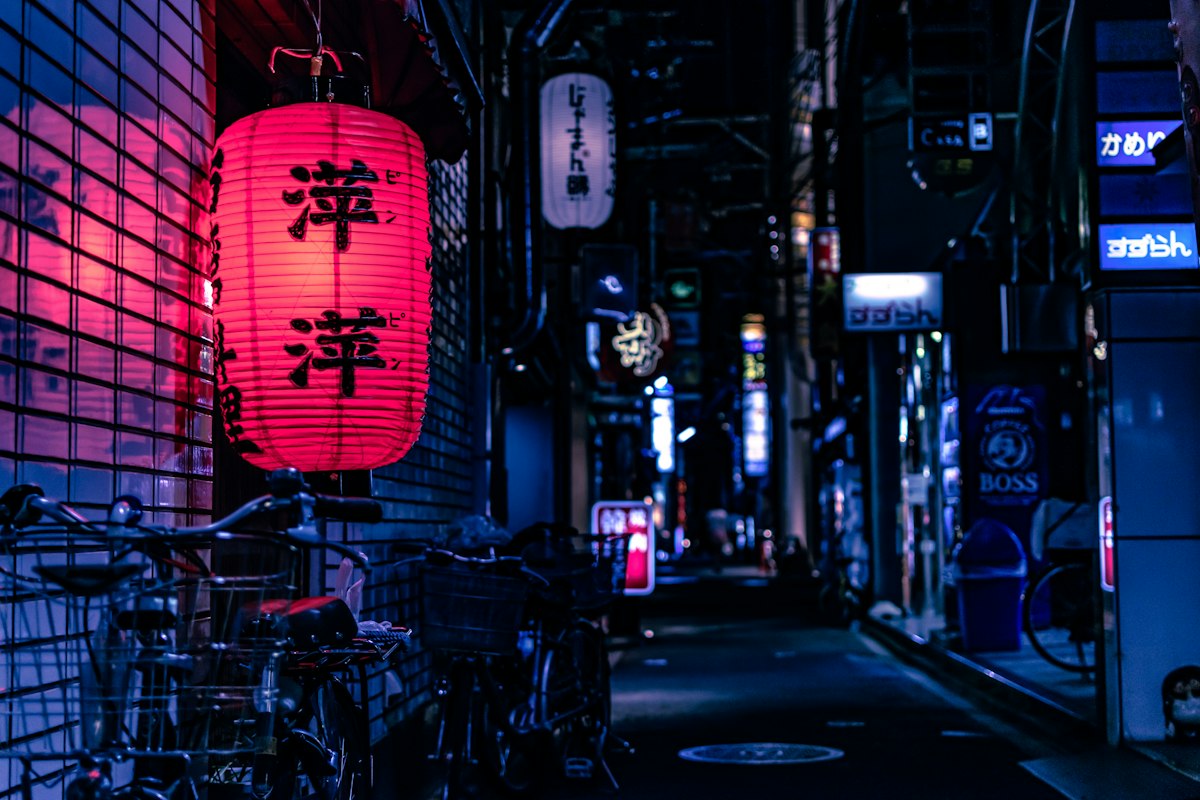
Japan is the most expensive country in Asia for medical care. Japanese hospitals operate to a very high standard with advanced diagnostic equipment, specialist capability, and rigorous infection control. The costs are comparable to Australian or European private healthcare — a hospital admission in Tokyo can cost $500–$1,500 per day, and specialist procedures are priced accordingly. The additional complexity is language: Japanese hospitals operate primarily in Japanese, and English-speaking medical staff are not guaranteed outside major international hospitals in Tokyo, Osaka, and Yokohama.
Thailand sits at the other end of the spectrum. Bangkok's international hospitals — Bumrungrad, Bangkok Hospital, Samitivej — are among the best-value high-quality medical facilities in the world. English-speaking, internationally accredited, with direct billing relationships with most major insurers. Medical tourism to Thailand is significant precisely because quality of care is excellent at a fraction of the cost of equivalent Australian or European treatment.
Vietnam, Indonesia, and the Philippines represent a middle ground. Major cities (Ho Chi Minh City, Jakarta, Manila) have international-quality private hospitals. Secondary ports and island destinations (Ha Long Bay cruise zones, Bali, remote islands) have significantly more limited facilities — basic stabilisation is possible, but serious events require evacuation to a major city or to Singapore.
Asian Cruise Destinations: Medical Cost and Facility Guide
| Country / Port | Medical Cost Level | Facility Quality | Evacuation Hub |
|---|---|---|---|
| Japan (Tokyo, Osaka, Yokohama) | High — comparable to Europe | Excellent | Local hospital |
| South Korea (Busan, Jeju) | High–Medium | Excellent | Local hospital |
| Singapore (home port) | High | World-class | Local hospital |
| Thailand (Bangkok / Laem Chabang) | Low–Medium | Excellent internationally | Bangkok international |
| Vietnam (Ho Chi Minh City) | Low–Medium | Good in major cities | HCMC international |
| Vietnam (Ha Long Bay) | Low | Limited | Hanoi (1–2 hrs) |
| Indonesia (Bali) | Low–Medium | Good in tourist areas | BIMC Bali or Singapore |
| Indonesia (Remote islands) | Very Low | Very limited | Singapore (3–4 hrs) |
| Philippines (Manila) | Low–Medium | Good in Manila | Manila hospital |
Evacuation from Asian Waters
Evacuation logistics from Asian cruise ships differ significantly from South Pacific or European scenarios. The proximity to major Asian cities — and their well-equipped hospitals — means evacuation distances are generally shorter than in the remote South Pacific. Singapore, Hong Kong, and Bangkok serve as regional medical hubs that can receive evacuees from much of Southeast Asia within 2–4 hours by fixed-wing aircraft.
Japan presents a different scenario. Medical care in Japan is excellent, but the language barrier means the evacuation decision is often between treating locally (where care is high quality but expensive and communication-intensive) versus repatriating to New Zealand (a 10–12 hour flight). Your emergency assistance team's Japanese network quality matters here — an insurer with established Tokyo hospital relationships and Japanese-speaking case managers can manage a Japanese medical event more effectively than one without.
Indonesia is the highest-risk evacuation scenario on a typical Asian cruise. Ships visiting remote Indonesian islands (Komodo, Raja Ampat, Lombok) may be 2–4 hours from the nearest significant medical facility. In these areas, having an insurer with a strong regional evacuation network — including small fixed-wing and helicopter capability in remote Indonesian areas — is genuinely more valuable than for closer-to-shore ports.
Weather and Seasonal Considerations
Asian cruise itineraries are heavily influenced by weather seasons. The South and Southeast Asian monsoon season (June to November) brings typhoons to the Philippines, southern Japan, and Taiwan. Typhoon Haikui forced multiple cruise itinerary changes in Japanese and Taiwanese ports; subsequent seasons have seen similar disruptions. Booking an Asian cruise during typhoon season requires specific attention to trip disruption and missed port cover.
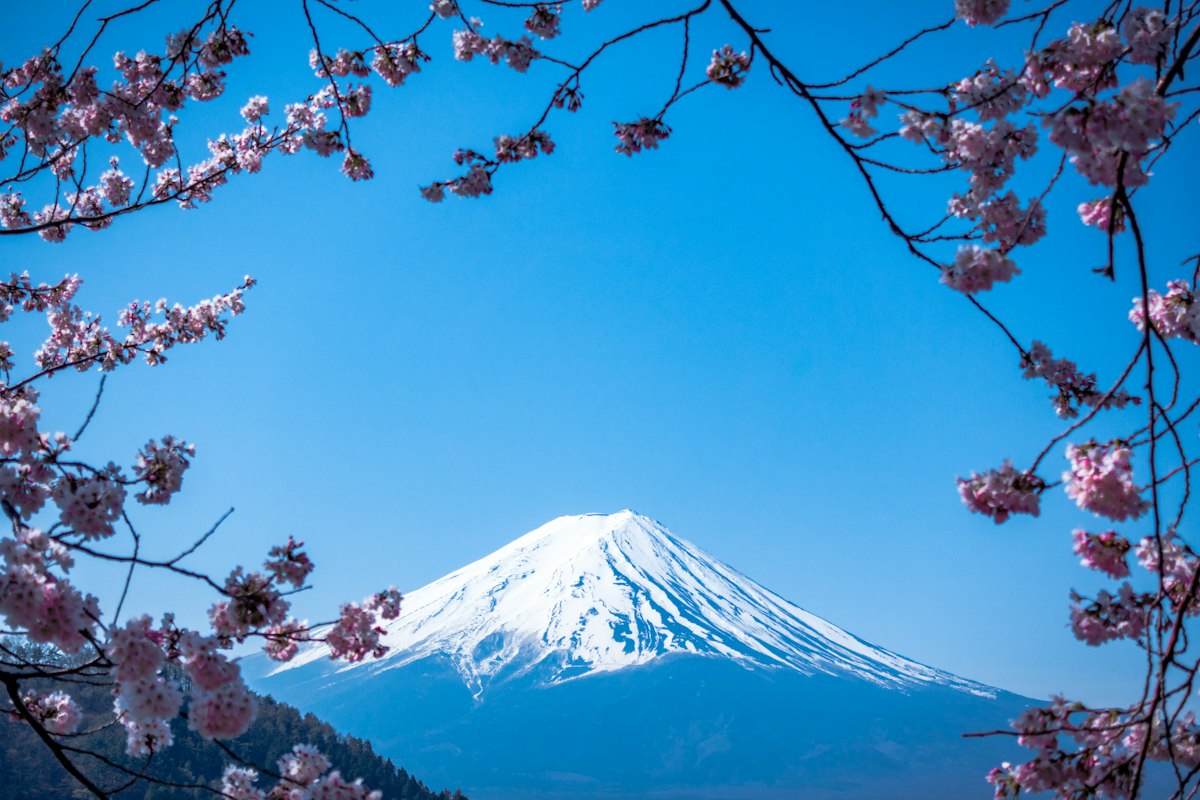
Most cruise lines schedule their Asian itineraries to avoid the worst of typhoon season — the peak Australasian market for Asian cruises is the northern hemisphere winter (November to March) when Asian weather is at its most stable and pleasant. Japanese cherry blossom season (late March to mid-April) creates extremely high demand for Japan-focused itineraries and correspondingly higher cabin prices and more restricted cancellation policies.
Volcanic activity is a lesser-known but real disruption risk on Indonesian itineraries. Indonesia has more active volcanoes than any other country, and eruptions can force port cancellations or itinerary changes. This falls under the natural disaster clause in most trip disruption policies. Ensure your policy covers natural disaster-related itinerary changes, not just weather disruptions.
Choosing the Right Asian Cruise Insurance Policy
For any Asian cruise itinerary, the standard requirements apply: unlimited emergency medical, evacuation and repatriation, cabin confinement, missed port cover, trip cancellation, and 24/7 emergency assistance. The Asia-specific priorities are the quality of the insurer's regional emergency network — particularly for Japan and remote Indonesia — and the breadth of the geographic coverage to ensure every country on the itinerary is included.
Cover-More and Southern Cross both maintain strong Asia-Pacific emergency networks. Cover-More has particular depth in Southeast Asia. Southern Cross's no-age-limit policy is especially relevant for older travellers on Asian cruises who might face age-related exclusions with other providers.
For a standard 14-day Asian cruise, expect to pay $260–$450 per person for comprehensive cover for a healthy adult under 65. Senior travellers aged 65–74 can expect $380–$580 per person before any pre-existing condition loading. Asia is priced between South Pacific (cheaper) and Europe (more expensive) for most providers, reflecting the mix of affordable Southeast Asian healthcare and expensive Japanese and South Korean medical systems.
Before your Asian cruise: insurance preparation checklist
- →Confirm every country on your itinerary is within your policy's Asia regional coverage
- →Ask your insurer about their Japan-specific hospital network and English-speaking capability
- →Check typhoon season advisories if sailing June to November in East or Southeast Asia
- →Declare pre-existing conditions — particularly cardiovascular — for accurate loading
- →Save the emergency assistance number with the relevant country code already dialled in
Ready to compare cruise insurance for your voyage?
Get quotes from all 6 leading NZ providers side by side.
Compare Providers →
James H.
Senior Travel Insurance Adviser, Cover4You
James has over 15 years of experience advising on travel and cruise insurance across multiple markets. He specialises in helping travellers with complex requirements — including seniors, pre-existing medical conditions, and extended voyages — find appropriate cover at competitive prices.
Sources & References
Information based on publicly available data from the Cruise Lines International Association (CLIA), cruise industry market reports, NZ insurance provider documentation, and publicly available travel advisories. This article is for general information only and does not constitute financial or insurance advice. Always read policy wording carefully before purchasing and consider your specific circumstances.